

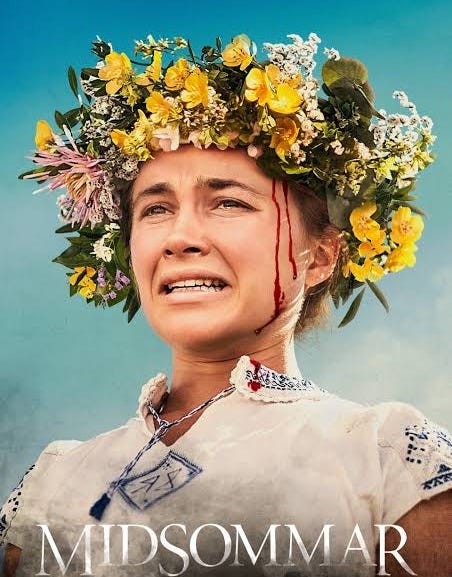
Midsommar is the greatest horror film ever made.
Not because it is shocking.
Not because it is fashionable.
Not because it flatters critics who confuse slowness with sophistication.
It is the greatest because it understands something fundamental about horror that most films — and most commentary — still refuse to confront.
Horror is not about darkness.
It is about transformation.
And no modern film stages transformation more completely than Midsommar.
The Opening That Already Feels Like a Coffin
The opening alone accomplishes more than most horror films manage in their entire runtime.
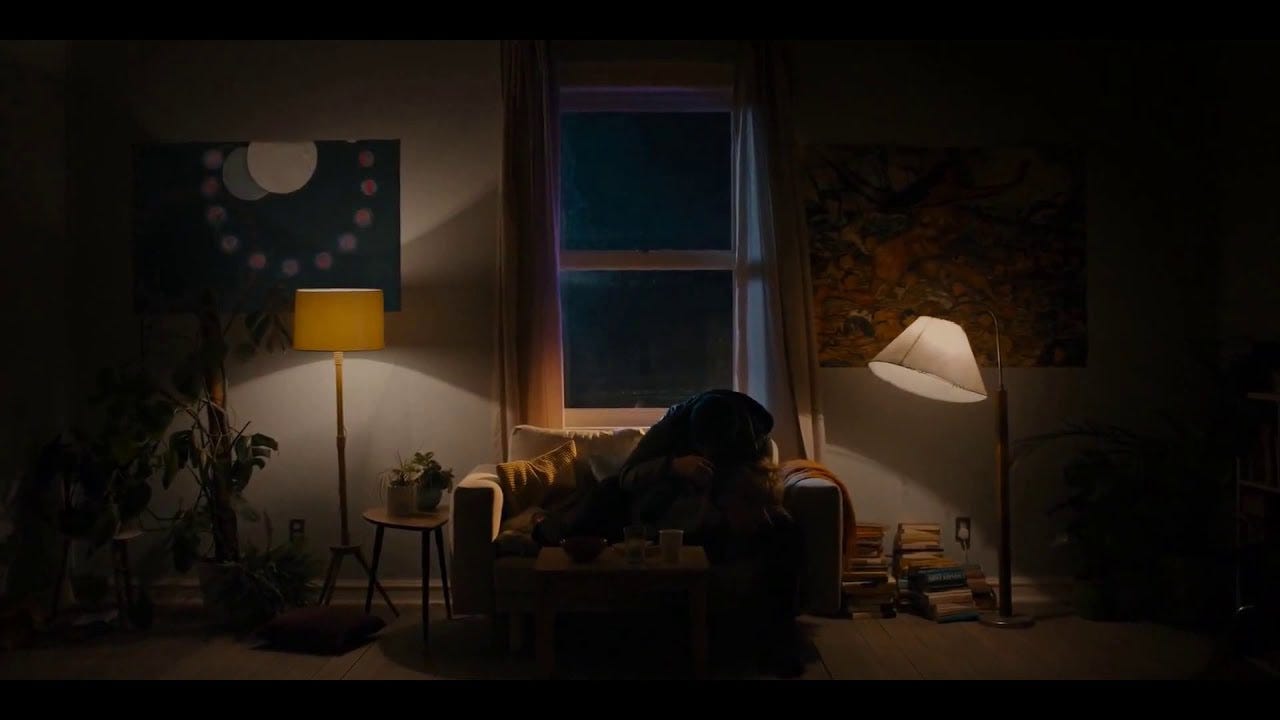
Snow. Silence. A sister’s email that feels wrong before the details even register. The camera drifting through a house that already feels sealed off from the world. Exhaust creeping through taped hoses.
No theatrical manipulation. No dramatic orchestration.
Just inevitability.
Then Dani’s scream.
It is not cinematic grief. It is rupture. A human being splitting open.
Christian holds her the way someone holds an obligation they’re already tired of.
That is the first monster in the film.
Not the cult.
Christian.
Christian Was Always the First Monster
From that moment forward, Midsommar makes a decision most horror films are too cautious to make.
It refuses shadow.
It drags horror into full daylight.
The Swedish countryside is not ominous in the traditional sense. It is vibrant. Saturated. Beautiful to the point of distortion. The sky is endless. The grass too green. The smiles too synchronized.
There are no corners to retreat into.
You must sit with everything.
People who call Midsommar “not scary” are mistaking noise for horror.
Startle reflex is not dread.
Darkness is not depth.
And jump scares are not transformation.
Midsommar does not startle you.
It dismantles you.
Thrown Over the Edge – No Looking Away
The cliff sequence is the dividing line.
In lesser hands, it would cut away. Suggest violence. Preserve aesthetic distance.
Aster doesn’t.
The bodies hit the rock. The skull fractures incorrectly. The mallet finishes what gravity began.
The Americans recoil in horror — not because death is unfamiliar, but because ritualized death confronts their moral comfort.
They want culture as spectacle.
Not culture as conviction.
Dani trembles. Christian explains. The group rationalizes.
The horror is not just the ritual.
It is the vacancy of the people witnessing it.

Facing the Void in His Eyes
The director’s cut sharpens this further.
The extended argument between Dani and Christian after the ritual stretches the emotional erosion. He doesn’t explode. He dissolves responsibility. He reframes her discomfort as instability.
That subtle corrosion is more unsettling than any masked killer.
The added river ritual scene matters too. Dani questions what she sees. She engages morally. She is not drifting toward the cult — she is moving, step by step, toward belonging.
By the time she is crowned May Queen, it does not feel like indoctrination.
It feels like completion.
Where a Family Is Forged in Fire
Here is the truth most viewers resist:
The cult works.
It is monstrous. It manipulates. It murders. It burns people alive inside a wooden temple.
And it is also the first community in the film that mirrors Dani’s grief instead of tolerating it.
When she discovers Christian in the mating ritual — paralyzed, absurd, surrounded by chanting women — her breakdown is the final purge of emotion.
The Harga wail with her.
They match her breathing. They collapse when she collapses. They hold her face as if her pain is communal property.
It is horrifying.
It is predatory.
It is exactly what she has been starving for.
Christian forgot her birthday.
The cult hands her a crown.
The final act is not revenge.
It is a choice.
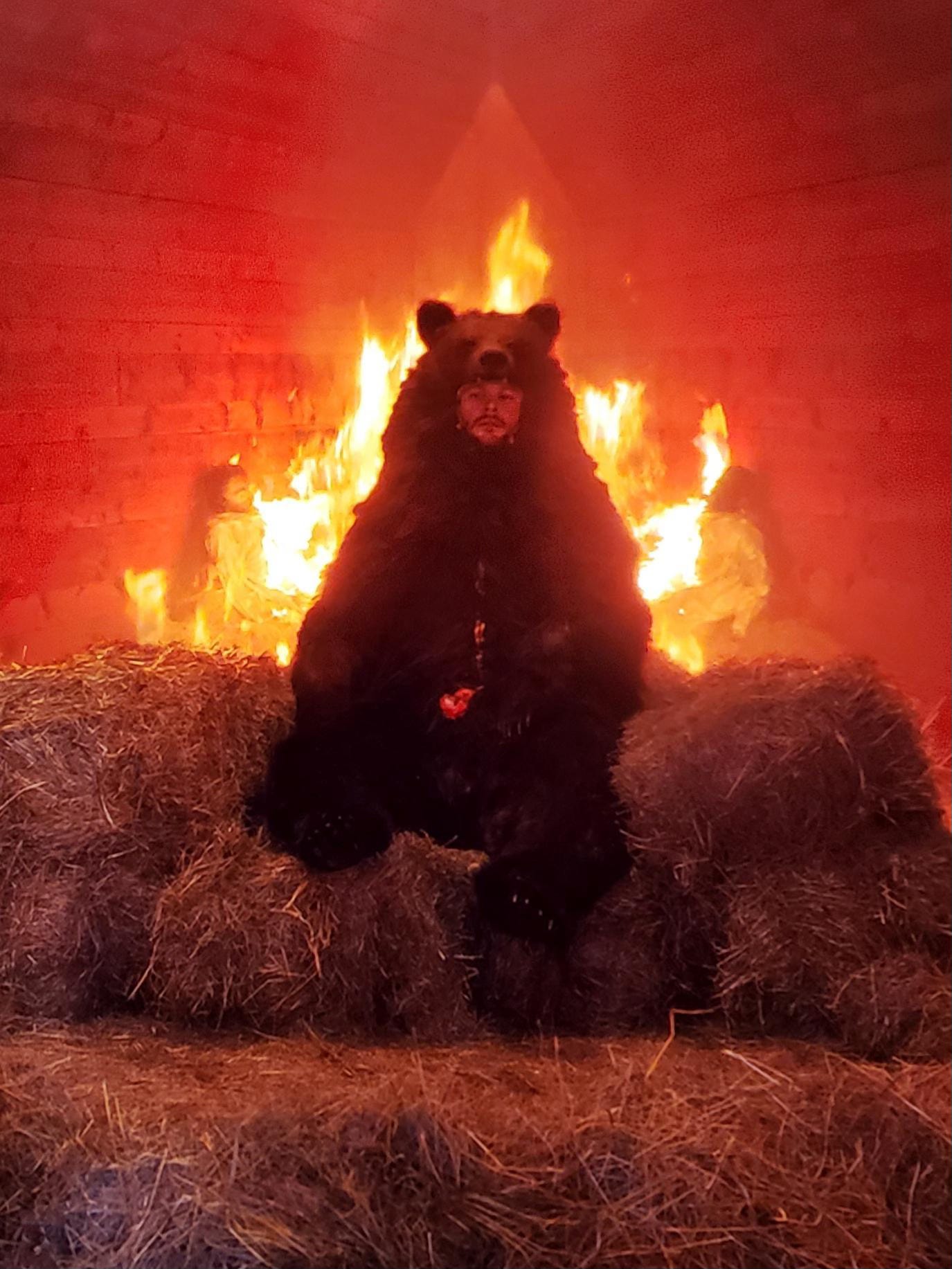
Christian sewn into a bear is mythic and grotesque. The temple burns. The chosen nine scream as fire consumes oxygen and ritual collapses into instinct.
Pain does not care about ideology.
And Dani stands there.
Crying.
Then not.
That smile is not madness.
It is release.
She has severed the last tether to a life defined by emotional vacancy.
She has chosen a family that sees her.
It just happens to be a family that sacrifices outsiders.
If that disturbs you more than Christian’s quiet indifference ever did, sit with that.
Midsommar is the greatest horror film ever made because it refuses to let horror remain cosmetic.
It does not rely on darkness.
It does not hide behind ambiguity.
It stages grief, dependency, ritual, and belonging in unforgiving daylight.
Fear is not always about escape.
Sometimes it is about finding a place where your damage fits perfectly.
Midsommar understands that.
It does not flinch.
It does not apologize.
It does not dim the sun.
Horror peaked in the daylight.
And it has been trying to catch up ever since.